A missing tooth can affect more than the way your smile looks. It can change how you bite, make eating less comfortable and allow neighbouring teeth to gradually move into the space.
A dental bridge replaces a missing tooth with a fixed restoration that is designed to look and feel like part of your natural smile.
At Broad Street Dental Practice, we’ll assess the teeth around the gap and talk you through whether a bridge, implant or another option is likely to suit you best.
Book an appointment

A bridge is a fixed replacement for one or more missing teeth.
The replacement tooth is supported by the teeth next to the gap, or in some cases by dental implants. Once fitted, it stays in place rather than being removed for cleaning like a denture.
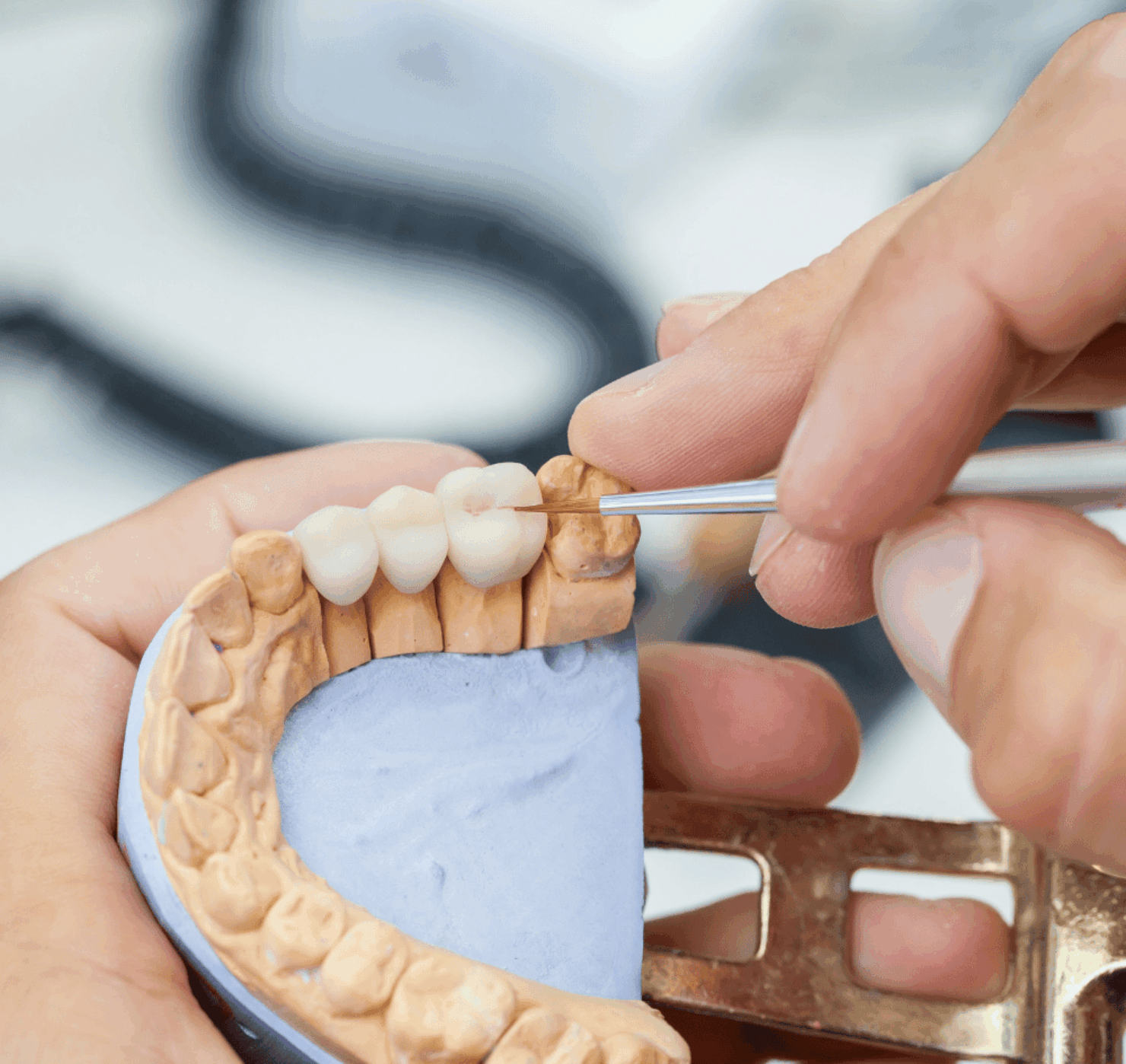
Each bridge is made to fit your mouth and is carefully shaped and shaded so that it blends naturally with the surrounding teeth.
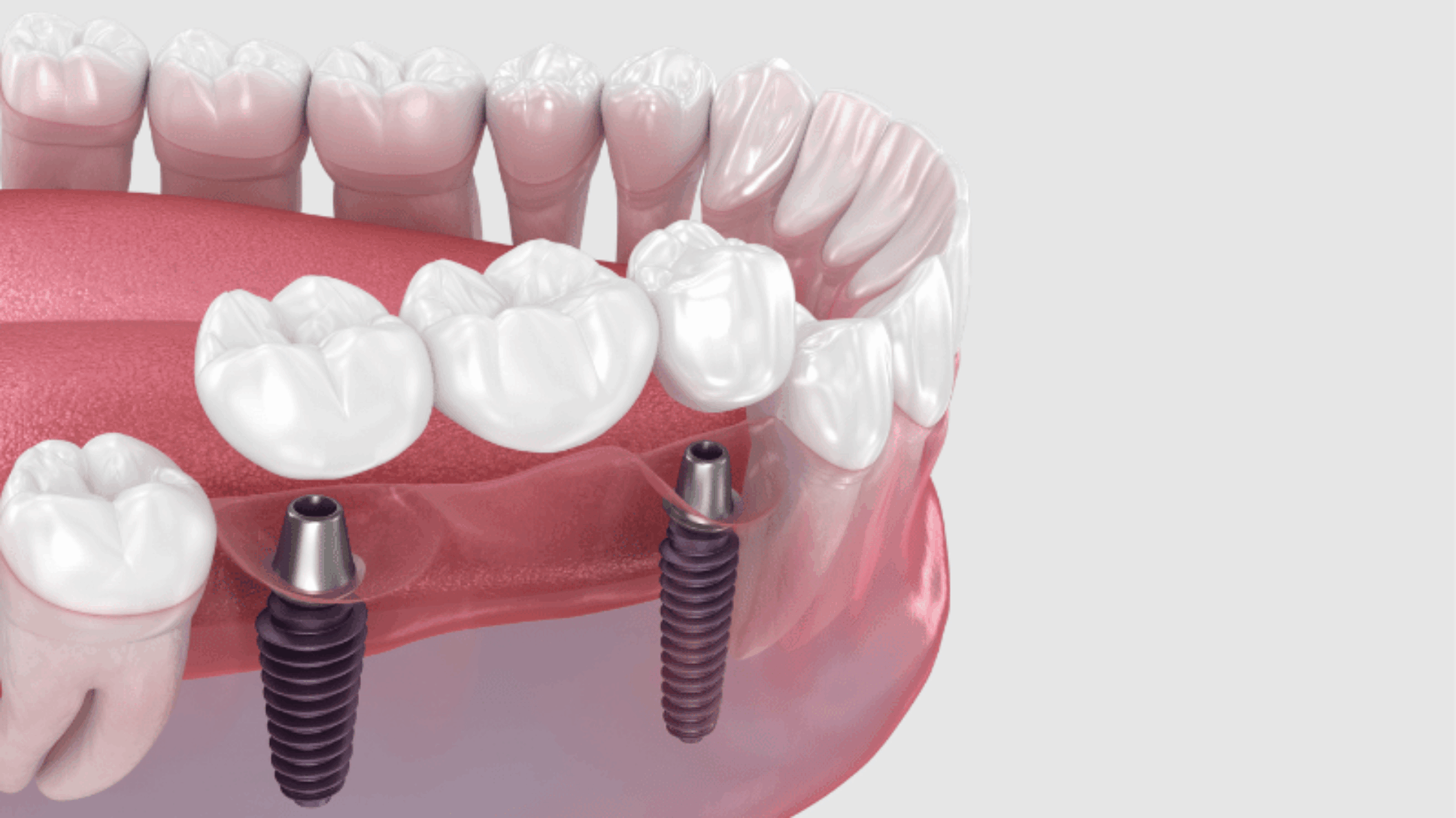
Not every bridge needs to rely on natural teeth.
Where several teeth are missing, dental implants can sometimes be used to support a bridge. This can replace multiple teeth without needing an implant for every individual tooth.
For the right patient, this can provide a secure fixed solution while reducing the number of implants required.
Your treatment begins with an assessment of the gap, the surrounding teeth and your bite.
If a bridge is suitable, the supporting teeth are prepared where necessary and a detailed digital scan or impression is taken so that the bridge can be made to fit accurately.
A temporary restoration may be used while your final bridge is being made. Once it is ready, we check the fit, appearance and bite carefully before fixing it securely in place.
There is rarely one solution that is right for everybody.
We’ll explain the advantages and compromises of each option in the context of your own mouth, rather than pushing you towards one particular treatment.
A well-planned bridge should allow you to eat, speak and smile without having to think about the gap.
The aim is simple: Replace what’s missing in a way that works naturally with the rest of your teeth and gives you a result that feels secure and easy to live with.
Leaving a gap doesn’t always cause an immediate problem, but over time it can affect the way the rest of your teeth work together. Replacing the missing tooth can help to:
The right solution depends on where the tooth is missing, the health of the surrounding teeth and what you want from treatment.
A bridge can work particularly well when the teeth next to the gap are already heavily restored or would benefit from crowns themselves.
It can also be a useful fixed alternative for patients who don’t want a removable denture and may not be suitable for, or may not want, dental implant treatment.
If the neighbouring teeth are completely healthy, we will take that into account before recommending a conventional bridge, because those teeth may need to be prepared to support it.

Claire


Ann CQ
Dilara E.
Corn P.
Adam P.
John B.
Tracie P.
Les R.
Charlie E.
Simon G.
Erika K.
Alex M.
Laura S.
Irine J.
Indre S.
Claire
Ann CQ
Dilara E.
Corn P.
Adam P.
John B.
Tracie P.
Les R.
Charlie E.
Simon G.
Erika K.
Alex M.
Laura S.
Irine J.
Indre S.
Claire
Ann CQ
Dilara E.
Corn P.
Adam P.
John B.
Tracie P.
Les R.
Charlie E.
Simon G.
Erika K.
Alex M.
Laura S.
Irine J.
Indre S.


Get personalised advice from our skilled team and take the first step towards a healthier, more confident smile.
Book a consultation




We believe great dentistry is about more than healthy teeth. It's about creating positive experiences and building lasting relationships.
Book online