Porcelain veneers are individually made, thin layers of porcelain that cover the visible surface of your teeth, allowing us to change their shape, colour and proportions as part of a carefully planned smile.
They can be used for anything from improving a single tooth that stands out from its neighbours to creating a more significant change across several teeth.
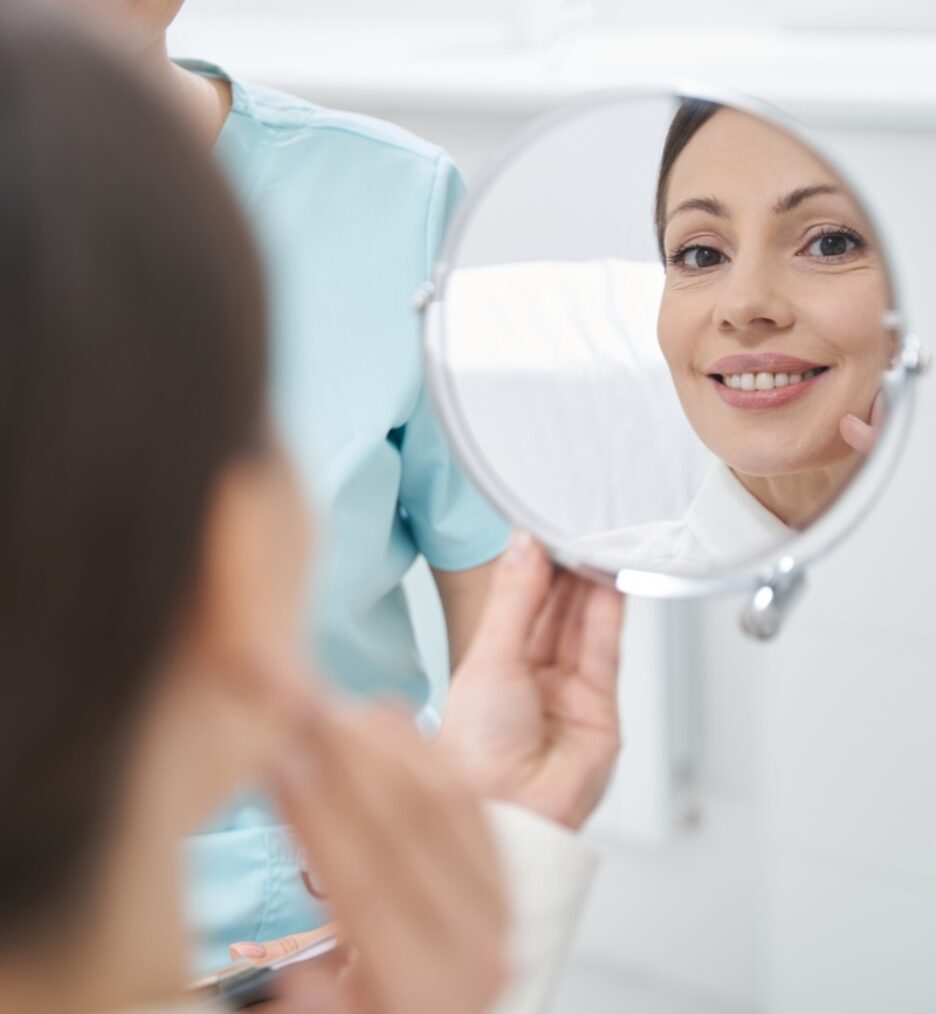
At Broad Street Dental Practice in Ely, we plan veneers around your existing teeth, your face and the smile we’re trying to create. The aim is a result that looks like it belongs to you, rather than a standardised set of perfect teeth.
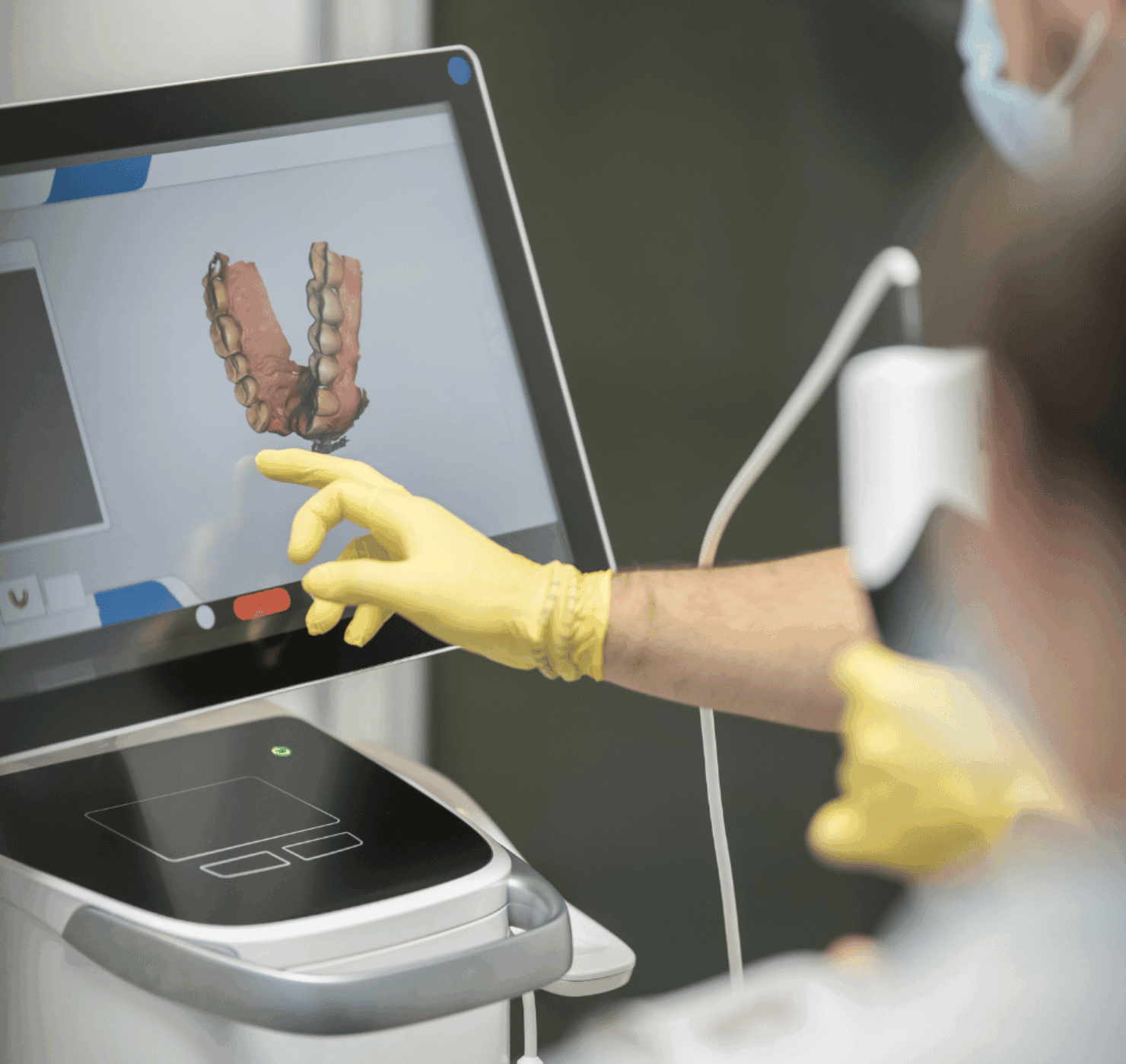
Every veneer case starts with planning the result we’re trying to create. We’ll look at your existing teeth, your bite and the wider proportions of your smile before deciding on the shape and appearance of the veneers themselves. Digital records allow us to plan these changes before the final porcelain is made.
Where Digital Smile Design forms part of your treatment, we can take this further by creating a 3D-printed trial smile, giving you the opportunity to see the proposed design before committing to the final result. It means the final veneers aren’t being considered in isolation. We know what we’re working towards before we start making changes to your teeth.
Veneers can improve several aspects of a smile at the same time.
We also consider the proportions of each tooth, the way neighbouring teeth sit together and how the finished smile works with your face. Details such as surface texture and translucency help porcelain reflect the characteristics of natural enamel.
The aim is for your veneers to sit naturally within your smile, rather than looking like a separate set of ‘perfect’ teeth.
Restore the appearance of teeth that have been chipped, cracked or worn over time.
Improve teeth that look too short, narrow or uneven within the smile.
Cover staining or discolouration that may not respond well to teeth whitening alone.
Close or reduce spaces between teeth as part of the overall smile design.
Improve the appearance of slightly uneven or rotated teeth in suitable cases.
Getting the shape and shade right is only part of creating a natural-looking result.
Porcelain veneers may require some preparation of the natural tooth, so the decision to have them shouldn’t be taken lightly. How much preparation is needed will depend on your teeth and the result being planned, and we’ll explain this clearly before treatment.
Carefully planned veneers can look very natural. Shape and shade are important, but so are details such as proportion, translucency, surface texture and how the veneers sit alongside your natural teeth.
Yes. A porcelain veneer can be used to improve a single tooth or several teeth. Matching a single veneer to the surrounding natural teeth requires particularly careful planning.
No. Composite bonding uses tooth-coloured resin that’s applied and shaped directly onto the tooth, while porcelain veneers are individually made and bonded to the front surface. They also involve different levels of tooth preparation.
Porcelain doesn’t respond to whitening gel in the same way as natural enamel. If you’d also like to whiten your natural teeth, this would usually be planned before the final shade of your veneers is chosen.
There’s no single lifespan that applies to every veneer. Their longevity depends on factors including your bite, oral hygiene, habits and how they’re maintained. We’ll show you how to look after them and monitor them as part of your ongoing dental care.

Claire


Ann CQ
Dilara E.
Corn P.
Adam P.
John B.
Tracie P.
Les R.
Charlie E.
Simon G.
Erika K.
Alex M.
Laura S.
Irine J.
Indre S.
Claire
Ann CQ
Dilara E.
Corn P.
Adam P.
John B.
Tracie P.
Les R.
Charlie E.
Simon G.
Erika K.
Alex M.
Laura S.
Irine J.
Indre S.
Claire
Ann CQ
Dilara E.
Corn P.
Adam P.
John B.
Tracie P.
Les R.
Charlie E.
Simon G.
Erika K.
Alex M.
Laura S.
Irine J.
Indre S.


Get personalised advice from our skilled team and take the first step towards a healthier, more confident smile.
Book a consultation




We believe great dentistry is about more than healthy teeth. It's about creating positive experiences and building lasting relationships.
Book online